
Predictive maintenance for small fleets: a practical guide
Published March 22, 2026 · Fleet
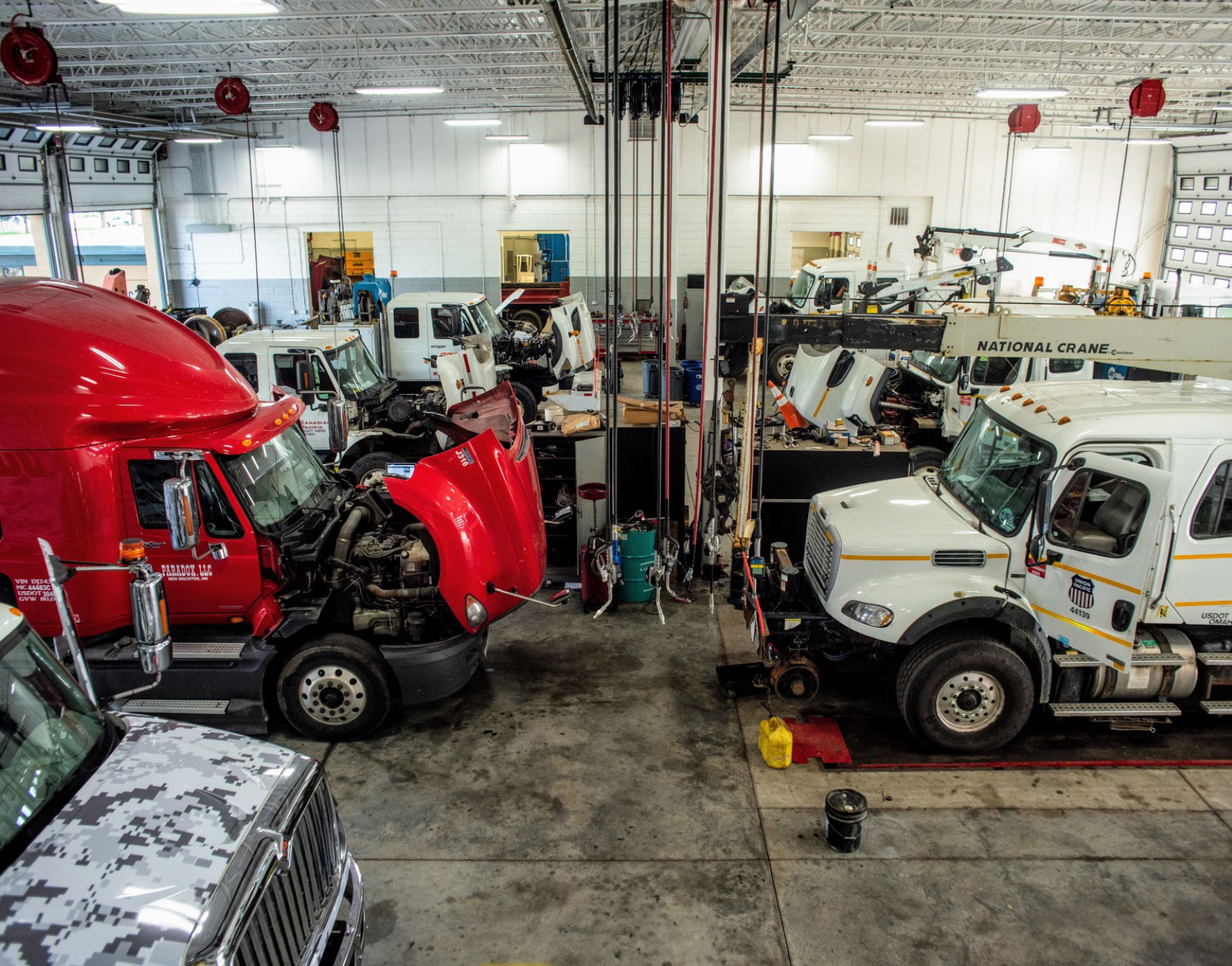
If you run ten to two hundred vehicles, you already know the failure mode: one unit breaks on the busiest day, and every spreadsheet tab becomes a fire drill. Small fleet predictive maintenance is not about buying a data science team—it is about seeing which units deserve attention this week before the tow bill hits.
Start with a weekly priority list
Dispatch-friendly fleets win when leadership shares one short list: units ranked by likelihood of impacting routes, customer SLAs, or safety. DynFleet focuses on that outcome—proactive monitoring and telemetry, service and warranty records, and an intelligence engine that understands each vehicle's state—without replacing your existing shop systems.
Running a 10–200 unit fleet? Join the DynFleet pilot list for SMB operators.
Sign up hereWhat to feed the process
You do not need perfect data. Start with PM history, recent fault codes, driver reports, and repeat routes. Over time, add telematics summaries if you have them. The goal is earlier conversations with your shop—not a rip-and-replace.
Semis, vans, and specialty trucks
Mixed fleets are normal. Linehaul semis, reefers, box trucks, and service bodies fail differently; your priority list should reflect asset type and duty cycle. See our fleet solutions page for how we picture commercial trucks in the product.
What we do not publish
DynFleet does not disclose proprietary scoring or model architecture on public pages. Operators receive recommendations and confidence bands they can act on—methodology stays behind the curtain.