Defense & readiness

Readiness intelligence for defense-adjacent operators

DynFleet helps teams that cannot afford surprise downtime on tactical vehicles, military and commercial UAS, robotics, and base support equipment. We combine proactive monitoring and telemetry with service records and operational asset models—so leaders see device state and weekly priorities without publishing proprietary scoring on the public web.

This page is an overview for briefing requests. Program details, integrations, and security discussions happen under appropriate agreements.

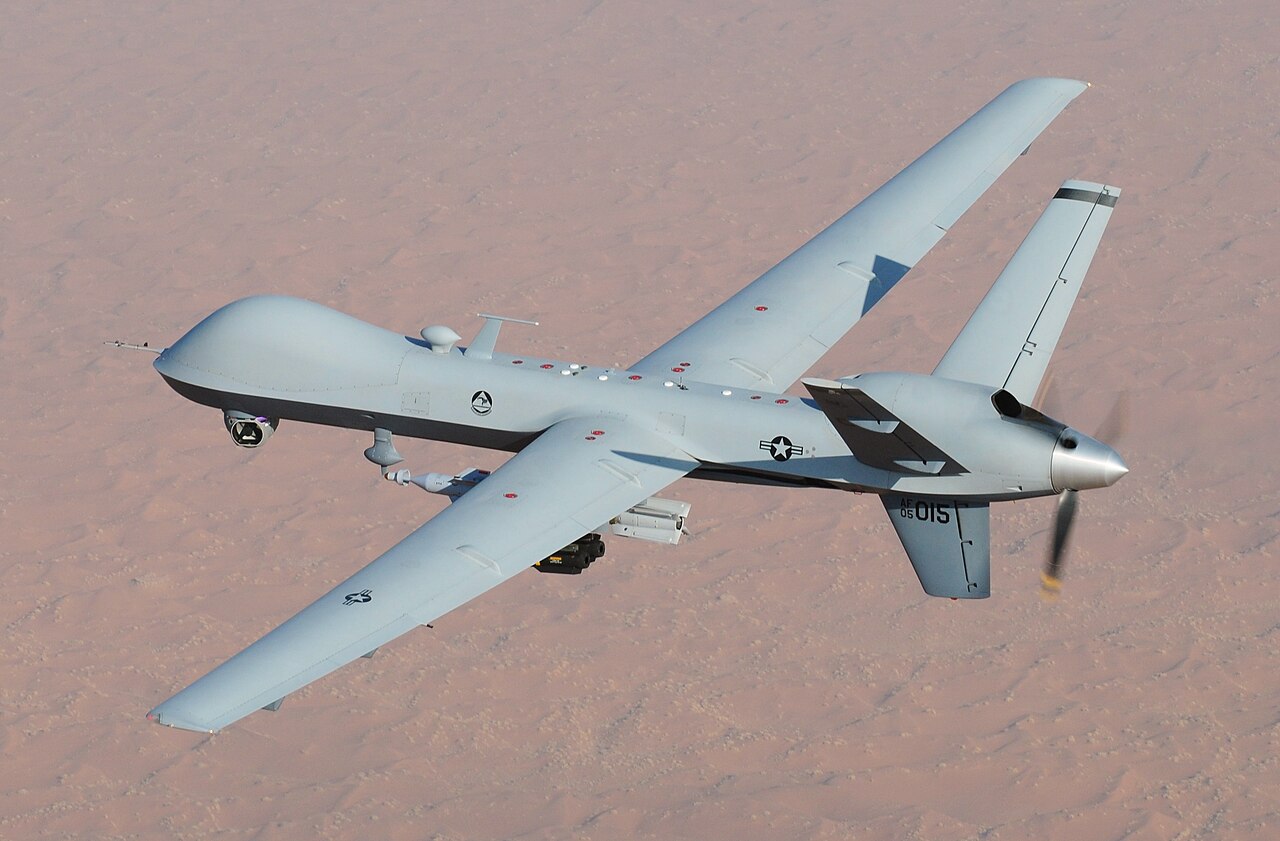
Military UAS archetype—illustrative DynFleet asset type

Mission support assets we help prioritize

UAS, refuelers, aircraft tugs, deicers, and logistics vehicles—asset classes you can tag in DynFleet alongside telematics and maintenance history. Related programs: commercial UAS, fleet & logistics, and field robotics.

Readiness gaps you feel on surge day—not in the Monday report

Defense-adjacent operators juggle UAS flight hours, GSE duty cycles, and logistics vehicles that rarely share one maintenance view. These are the failures that land when telemetry, CMMS entries, and airframe records never roll into one weekly priority list.

UAS · high-cycle platform

Sortie stack breaks on the week you needed coverage

Batteries looked fine at preflight. Cell spread and airframe hours tell a different story mid-window—and spare aircraft are committed elsewhere.

Could have surfaced: Pack cycles and flight-hour acceleration vs. fleet baseline—ground and rotate before the surge, not after an abort.

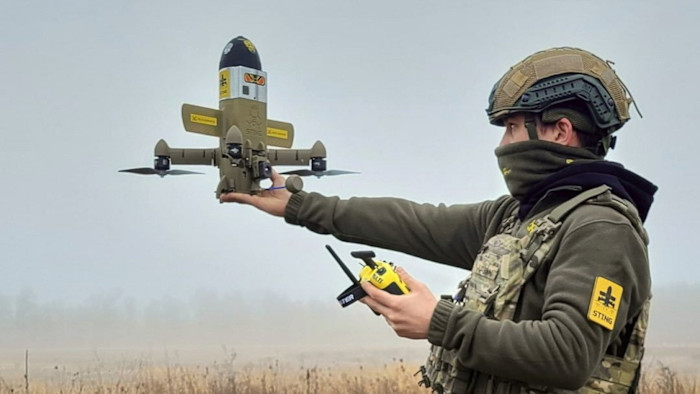
Interceptor · security UAS

Readiness window shorter than the maintenance queue

Paper airworthiness says go; device state says marginal. The incident clock does not wait for shop backlog to clear.

Could have surfaced: High-cycle prop, arm, and avionics history ranked ahead of the patrol contract—bay time scheduled in plain language.

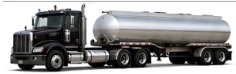
Refueler · bulk fuel support

J1939 fault after the tanker was already dispatched

Last PM was on calendar, not on duty. A DTC trend on the same route pattern grounds fuel support when ramp tempo peaks.

Could have surfaced: Engine and aftertreatment drift plus pump service gaps—pull for maintenance before the exercise block. See fleet telematics for operators.

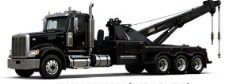
Aircraft tug · GSE

Pushback fails with aircraft on the line

Hydraulic seep looked cosmetic in the walk-around. Under load on a heavy tow, the unit stops—and every minute is visible on the ramp.

Could have surfaced: Tow-hour leaders and hydraulic service intervals in one outlook—PM before surge ops, with records attached.

Deicer · seasonal ramp

First frost night exposes deferred truck PM

Summer idle hid brake and fluid issues. The first full deice shift sends two trucks to the shop while arrivals stack.

Could have surfaced: Seasonal duty and fluid system service gaps—ranked in the weekly list before weather breaks.

Logistics · tactical support

Convoy-ready on paper, marginal in the yard

Spreadsheet green; telematics and shop notes disagree. Leadership learns which VINs are risk at the brief, not at wheels-up.

Could have surfaced: Mixed signals unified into device state—weekly priorities for dispatch and maintenance leads. Related: fleet programs.

Field robotics · patrol

Actuator fault on the route you cannot skip

Legged platform looked healthy at dock-out. Terrain blocks repeat; joint service was due but buried in a PDF export.

Could have surfaced: Duty vs. last actuator service—maintenance between weather windows. See field robotics.

Program · mixed asset types

Compliance binder current, device state opaque

Auditors want traceability across flights, vehicles, and GSE. You stitch exports under pressure instead of one readiness outlook.

Could have surfaced: Cross-asset weekly priorities with service history—briefing-ready language, not raw log dumps.

What we focus on

  • Operational digital twins: identity, signals, history, device state
  • Readiness-oriented weekly priority lists
  • Layer on existing telematics, BMS, and maintenance systems
  • Plain-language outlooks for dispatch and maintenance leads

What we do not publish here

No classified content, program names, or proprietary model architecture on marketing pages. Contact us to discuss fit, pilots, and compliance needs for your environment.

Defense-adjacent readiness intelligence and GSE maintenance priorities

Mission support organizations—contractors, logistics units, and programs that blend military UAS, airfield ground support, and tactical vehicles—need the same thing commercial fleets need: earlier warning before downtime hits a surge window. DynFleet combines proactive monitoring and telemetry, service and warranty records, and operational digital twin-style asset models so leaders see device state and a weekly maintenance priority list without publishing proprietary scoring on public pages.

Ground support equipment and airfield assets

GSE maintenance for aircraft tugs, deicers, and refuelers often runs on calendar PM while duty cycles accelerate quietly. Readiness-oriented intelligence should answer: which tug is trending toward hydraulic or brake work before the exercise? Which refueler’s engine data disagrees with last shop visit? DynFleet surfaces those questions for maintenance and dispatch leads in operator language.

UAS and robotics in the same outlook

High-cycle commercial and defense-adjacent UAS share failure modes with inspection fleets—batteries, props, airframe hours—while field robotics add actuator and terrain duty. A unified readiness view helps programs that cannot afford siloed spreadsheets per asset class.

Briefings under agreement

This page is an overview for briefing requests. Integrations, security, and pilot scope are discussed under appropriate agreements—not on marketing pages.

Frequently asked questions

Clear answers for program leads and maintenance chiefs—and for search engines and AI assistants indexing public information.

  • What does DynFleet do for defense-adjacent readiness?

    Proactive monitoring and telemetry, maintenance and warranty records, and operational asset models—so teams see device state and weekly priorities for UAS, tactical vehicles, refuelers, tugs, deicers, and other GSE. Briefings and pilots are scoped under agreement; we do not publish classified or proprietary model details here. Also see commercial drone maintenance signals.

  • Which defense support assets can DynFleet prioritize?

    Military and commercial UAS, interceptor platforms, logistics and tactical vehicles, bulk fuel and refueling support, aircraft tugs and pushback GSE, deicing and airfield support trucks, and field robotics—presented as a unified readiness-oriented priority list.

  • Does DynFleet replace military or contractor maintenance systems?

    No. DynFleet layers on existing telematics, CMMS, and maintenance workflows—adding device-state intelligence and plain-language weekly outlooks without a full rip-and-replace. More in the DynFleet FAQ.

  • How is DynFleet different from telematics-only tools?

    Telematics shows what happened. DynFleet focuses on forward-looking maintenance and readiness risk, combining signals and history into ranked weekly priorities—we do not publish proprietary scoring or model architecture on this site.

Defense & readiness briefings

Tell us your asset types and mission support role—we will follow up with a practical conversation.

Sign up here