
Maintenance service contract monitoring: when coverage and device state should share one view
Published April 12, 2026 · Fundamentals
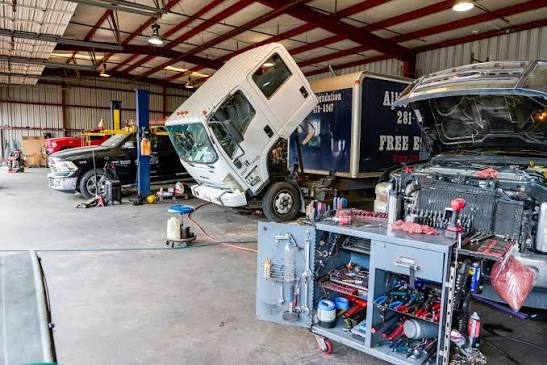
Service agreements promise proactive care—scheduled PM, covered repairs, fewer surprises. In practice, the contract lives in a PDF, meter readings sit in a spreadsheet, and telematics alerts go to someone who never talks to the shop. Maintenance service contract monitoring closes that gap: you watch whether each asset is drifting toward a failure and whether you are still inside the terms that govern who pays and when work must happen.
This is operational guidance, not legal advice. Always confirm language with your counsel and OEM partners. The pattern is the same across fleets, dealers, and independent shops: monitoring without contract context creates billing fights; contracts without monitoring create roadside failures.
The failure mode everyone recognizes
A unit breaks on the busiest route, or a customer disputes a bill because “that should have been under warranty.” After the tow truck leaves, three questions appear at once: Could we have seen this earlier? Was the last PM documented? Does the agreement still cover this component at this hour or mileage?
When those answers live in different systems, leaders default to heroics—dispatch juggling, writers guessing, vendors arguing. Proactive maintenance was the point of the contract; reactive firefighting is what you get without a shared picture of device state and coverage.
Three contract shapes, one operations problem
Fleet full-service or CSA with a vendor. You outsourced PM and many repairs. Your vendor needs timely meter data and fault trends; you need proof they performed covered work before an SLA breach. Monitoring means thresholds (hours, miles, idle time) tied to what the vendor must do—and escalation when telemetry says “inspect now,” not “wait for the quarterly visit.”
Dealer or shop prepaid maintenance plans. You sold intervals in advance. Margin depends on completing PM on time without over-servicing. Customers expect you to reach out when they are due—not when they call angry. See our companion piece on prepaid maintenance plan monitoring for the shop-side rhythm.
OEM warranty and recall windows. Coverage is time- and meter-bound, with exclusions for wear items. Shops and yards must know what is still in warranty before authorizing work. Pair live signals with service history so advisors do not promise coverage the OEM will deny.
What monitoring means here (not another dashboard)
Contract monitoring is a weekly habit, not a wall of charts:
- Interval risk — Assets approaching PM due dates, hour meters, or seasonal windows (commission, harvest, holiday rental).
- Drift before failure — Telemetry or inspection notes that suggest a covered diagnostic now, instead of an uncovered overhaul later.
- Escalation paths — Who gets notified when a contract vendor misses a window, or when a fleet unit needs a bay before the SLA clock runs out.
- Evidence — Timestamped readings, RO lines, and notifications that support claims and customer conversations.
If you already run telematics, you are halfway there—interpretation is the gap. Our fleet telematics SMB field note covers layering intelligence without replacing your stack.
Managing contracts across a mixed fleet? Tell us your asset types—we will route you to the right DynFleet briefing.
Sign up hereRecords that protect margin
Maintenance records and warranty context are not back-office paperwork—they are how you prove proactive care. When monitoring flags a unit, the RO should reflect what you saw, what you recommended, and whether work was covered or customer-pay. That discipline reduces disputes and pairs well with comeback reduction tactics in the shop; see reducing auto shop comebacks for a related operations lens.
How this differs from predictive maintenance alone
Predictive vs preventive maintenance explains the vocabulary. Small fleet predictive maintenance describes the weekly priority list for operators. Contract monitoring adds a filter: given what we know about coverage and obligations, which units need action this week—and who pays?
Evaluating tools? Ask whether analytics can ingest contract metadata alongside telemetry—our fleet analytics buyer guide includes that question explicitly.
Where DynFleet fits
We are building proactive monitoring and telemetry, service and maintenance records, warranty context, and an intelligence engine for device state—outputs operators can act on without publishing proprietary scoring on the public web. Early pilots are scoped by vertical and fleet size; read what fleet pilots look like.
Explore fleet, marine, RV, and agriculture pages for how we picture each asset class.